Thailand remains the most popular destination for real estate investors in Asia, serving as a strategic gateway to the fastest-growing frontier markets. With its central location, robust infrastructure, and a steady economy, property investment in Thailand offers a unique blend of lifestyle benefits and financial growth.
wwWhy Investing in Thailand Property
Property investment in Thailand is driven by the country’s status as a regional business hub and its world-class tourism appeal. With a domestic population of over 70 million and a growing middle class, demand for quality housing continues to rise. Investors are particularly drawn to the low cost of living, modern medical facilities, and the high liquidity of the market in major cities.
Furthermore, Thailand’s consistent infrastructure upgrades, such as the expansion of BTS and MRT mass transit lines, ensure that property investment in Thailand remains a stable and appreciating asset class.
How Can Foreign Buy Condo in Thailand?

For international buyers, the most straightforward path for property investment in Thailand is through the freehold purchase of a condominium. Under the Condominium Act, foreigners can own 100% of a condo unit in their own name, provided that total foreign ownership in the building does not exceed 49% of the total floor space. This makes a condo in Bangkok an incredibly attractive option, as it grants the same ownership rights as a Thai national and allows for easy title transfers and inheritance.
Lease and Tenancy by Foreigners
If a freehold quota is full or if you are looking at landed property, foreigners can opt for long-term leases. A standard lease for property investment in Thailand is valid for 30 years and can be registered at the Land Department to ensure legal protection. While a lease is technically a personal contract right rather than a fixed asset, it provides a secure way to occupy and utilize prime real estate for residential or commercial purposes.
Mortgage Financing for Foreign Buyers in Thailand
Securing financing for property investment in Thailand as a foreigner is possible, though it often comes with specific requirements. Several Thai and regional banks offer mortgage products specifically for non-Thai buyers, particularly for freehold condominium units. These loans typically require proof of income and may have different loan-to-value (LTV) ratios compared to local buyers. Leveraging these financial tools can help investors maximize their capital when acquiring a luxury condominium in Bangkok.
How to Invest in Thailand Real Estate: Step-by-Step
Here is a step-by-step “How-To” guide for successfully completing your property investment in Thailand.
1. Verify the “Foreign Quota”
Before committing to a unit, you must ensure the building has not exceeded its 49% foreign ownership limit. Ask the developer or the Juristic Office for a “Quota Letter” confirming the unit can be owned freehold by a foreigner.
2. Reservation and Deposit
Once you find your ideal luxury condominium in Bangkok, you will need to sign a reservation agreement and pay a booking fee.
- Booking Fee: This reserves the unit while the Sale and Purchase Agreement (SPA) is prepared.
- Due Diligence: It is highly recommended to hire a lawyer to check the title deed (Chanote) for any liens or encumbrances.
3. The Critical “Foreign Exchange Transaction” (FET)
This is the most important legal step. To own a condo freehold, the funds must originate from outside Thailand.
- The Rule: You must transfer the full purchase price in foreign currency (e.g., USD, EUR, GBP) to a Thai bank.
- The Transfer Note: You must specify the purpose of the transfer as: “To purchase a condominium unit [Unit No.] at [Project Name] for [Buyer Name].”
- The FET Form: Once the funds arrive and are converted to Thai Baht, the receiving bank will issue a Foreign Exchange Transaction (FET) form. You cannot register the property without this document.
4. Review and Sign the Sale and Purchase Agreement (SPA)
The SPA outlines the payment schedule, transfer date, and responsibilities for taxes. When buying with a reputable developer like Ananda, these contracts are standardized and available in English to ensure transparency.
5. Unit Inspection
Before the final transfer, you must inspect the unit. Check for any defects in electricity, plumbing, and finishes. The developer will rectify these before you sign the final acceptance form.
H3 6. Registration at the Land Department
The final step takes place at the local Land Office.
- Documents Needed: Passport, FET Form, and the signed SPA.
- You will receive the Title Deed (Chanote) with your name written in Thai on the back, along with the House Registration Book (Tabien Baan).
Best Areas to Invest in Property in Bangkok
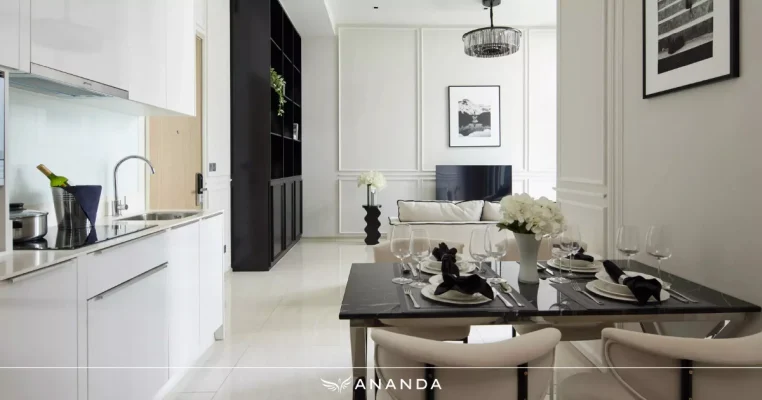
Choosing the right location is the most critical factor for property investment in Thailand. Bangkok is a vast metropolis where value is heavily dictated by proximity to mass transit and Central Business Districts (CBD).
1. Silom and Sathorn
Often called the “Wall Street of Thailand,” Silom and Sathorn are the headquarters for major banks and financial institutions. This area is a magnet for high-earning expats and wealthy locals, making it a hotspot for property investment in Thailand. Investors here benefit from high rental demand and premium capital appreciation. Ananda Project such as Ashton Silom, located just 350 meters from BTS Chong Nonsi, offers ultra-luxury living in the heart of the financial district.
2. Lumpini
Lumpini is arguably the most prestigious neighborhood for property investment in Thailand. Home to the city’s largest green space, Lumpini Park, and numerous embassies on Wireless Road, the area commands the highest land prices in the country. It offers a rare combination of serenity and central connectivity. Ananda Project such as COCO PARC, situated 0 meters from MRT Khlong Toei, provides an exclusive residential experience with services managed by world-class hospitality brands.
3. Sukhumvit
Sukhumvit is the ultimate lifestyle destination and the most popular area for the expat community. From the trendy streets of Thonglor to the bustling hub of Asok, property investment in Thailand within this corridor offers diverse opportunities. The abundance of international schools, shopping malls like EmQuartier, and vibrant nightlife ensures a constant stream of tenants. Ananda Project such as Culture Thonglor, located only 250 meters from BTS Thonglor, caters to the modern urbanite with a focus on sustainable and stylish living.
Why Ananda Development is the Top Choice for Investors
When it comes to property investment in Thailand, Ananda Development is viewed as one of the market leaders. Known for its “Urban Living Solutions,” Ananda specializes in projects located near BTS and MRT stations, ensuring maximum convenience and value retention.
For those looking to invest in the CBD, Ananda’s flagship brands like Ashton, Ideo Q, and Culture offer innovative designs and world-class facilities. By focusing on transit-oriented development, Ananda ensures that your property investment in Thailand remains highly sought after by both renters and future buyers.
Frequently Asked Questions
1. Can Foreigners Buy Real Estate in Thailand?
Yes, foreigners can legally own condominium units in Thailand under the “Foreign Quota” (49% of the building’s total area). While foreigners generally cannot own land directly, they can own the building or structure separate from the land, or utilize long-term leasehold agreements.
2. Why is a condo in Bangkok considered a prime investment property in Thailand?
Investing in a condo in Bangkok, particularly in the CBD or along mass transit lines like the BTS and MRT, offers strong potential for both capital appreciation and rental yield. The limited availability of land in prestigious areas like Sathorn and Thonglor, combined with modern innovative designs from top developers like Ananda, ensures high demand from both local residents and international investors.
3. What should buyers look for when selecting a luxury investment property in Thailand?
Key factors include the reputation of the developer, the proximity to public transportation (ideally within walking distance of a BTS or MRT station), and the unique features of the project. Prospective owners should also consider the quality of facilities and whether the project offers specialized services, such as those managed by world-class hospitality brands like The Ascott or Dusit, which can significantly enhance the long-term value of the property.
4. Is Buying Property in Thailand Safe?
Buying property investment in Thailand is safe provided you perform due diligence. Thailand has a secure, computerized title deed system (Chanote) and strong ownership laws for condominiums. Working with a reputable developer like Ananda Development, further minimizes risk and ensures that construction standards and legal requirements are strictly met.